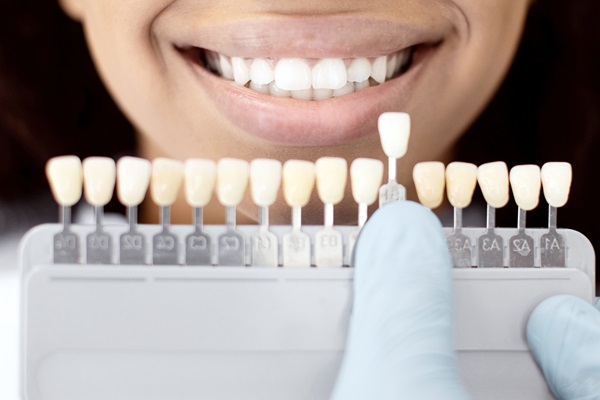
Dental bonding is a common dental procedure that repairs damaged teeth (chips, cracks, etc.), fills in gaps between teeth and lengthens teeth that are worn down or naturally too short. Understanding the process that dentists use with dental bonding should help you decide if treatment is right for you.
A step-by-step guide of the dental bonding procedure
Although each dentist will have their own process and treat patients in a unique way depending on their preferences and needs, there is a tentative process that most follow. This process includes reviewing the patient’s symptoms and dental care history, applying the composite resin material, hardening the composite resin and cleaning and polishing the tooth for a beautiful finish.
Discuss with the dentist
The first thing that the dentist may do is discuss the patient’s treatment goals, which should give them a good idea if dental bonding is a viable option. They may also conduct an oral examination and order dental X-rays to get a clearer idea of the patient’s oral health and what issues are present. The dental staff is also likely to review the patient’s oral history and ensure that the patient does not have any relevant allergies that may affect the effectiveness and safety of the procedure.
Apply the composite resin material
Often, the procedure itself can take place the same day as the initial consultation, although some patients and dentists may prefer a follow-up visit. The procedure begins with cleaning the tooth that is receiving the composite resin, followed by the application of the composite resin onto the tooth. The dentist can shape the material until the ideal size and shape of the tooth is achieved.
Harden the composite resin with a dental light
Once the composite resin material is applied and molded into the proper position to allow for even appearance of the tooth, the dentist bonds the composite resin into place with a special dental light. This hardens the composite resin during the dental bonding procedure, allowing for a durable and secure hold.
Clean and polish the tooth
Once the composite resin material has hardened, the dentist can clean and polish the tooth. This ensures that the tooth is smooth and indistinguishable from the natural part of the tooth and the surrounding teeth.
Aftercare tips and the recovery process
The procedure is pain-free and there is no recovery process necessary. However, the patient may need to adjust to the tooth because it is now a different size and shape. They should keep the mouth clean and consider eating soft foods for the first day or two after the dental bonding procedure.
Learn more about dental bonding during a consultation
In addition to many other forms of restorative dentistry, our dental practice offers dental bonding for patients who are interested in improving their smiles and protecting their natural teeth. Give us a call or send us a message today if you would like to begin the treatment process.
Request an appointment here: https://www.desalvodental.com or call DeSalvo Dental at (201) 244-7658 for an appointment in our Englewood office.
Check out what others are saying about our dental services on Yelp: Dental Bonding in Englewood, NJ.
Recent Posts
Dental bonding is a minimally invasive way to enhance or repair the smile. Whether the issue is staining or a minor crack, bonding can be a quick and effective way to address it. Learning more about this common dental service can help you determine whether it is the best option for restoring your smile. Dental bonding…
Dental bonding is a simple and pain-free cosmetic procedure that can fix minor imperfections with teeth. Everyone should be able to show off a smile that they are proud of, and many achieve the smile of their dreams through dental bonding treatment. The most notable reasons to consider dental bonding are to fill gaps between teeth,…
Dental bonding can last for eight or more years if the patient cares for their teeth properly and protects the dental bonding. To help you make your dental bonding material last for as long as possible, this review offers tips for caring for your bonding through good oral hygiene, smart dietary choices and more. Patients can…
Dental bonding is also known as tooth bonding. It involves using a softened composite resin to fix cracks or minor chips in the teeth. The material is pliable, so the dentist can mold it into any shape. It can also be polished to provide a more natural-looking appearance. After this, the dentist can use ultraviolet…