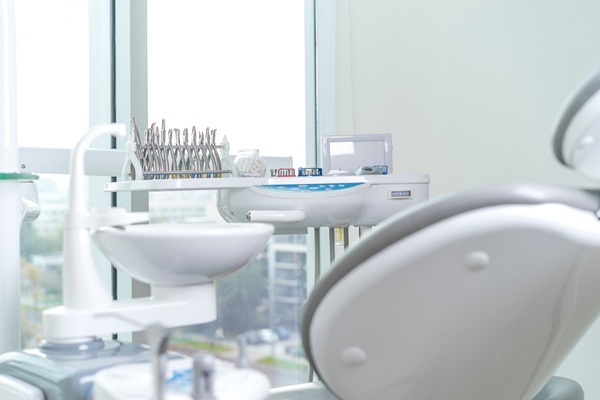
When a past dental office visit felt uncomfortable, stressful, rushed, or painful, starting again with a new dentist can feel like a big step. The good news is that patients do not need to hide those concerns or simply hope the next visit goes better. Sharing the right details with a new dental team before or during the first appointment can help them understand what happened and create a more comfortable care plan moving forward.
What to tell your new dentist if you had bad experiences in the past
Past experiences give the new dentist important context. If a patient had trouble getting numb, felt embarrassed about their oral health, or did not understand a previous treatment plan, those details can guide the next visit. The dentist can adjust communication styles, comfort measures, and appointment pacing based on what the patient shares. Open conversation gives the dental team a chance to build trust from the beginning.
How to make the next dental office visit comfortable and productive
Explain what made a past visit uncomfortable
Patients do not need to describe every detail perfectly; a simple explanation may be all it takes to have a better experience at a new dental office. The most useful information often includes what felt uncomfortable, when it happened, and what would make future care feel easier.
For example, some patients feel anxious when they do not know what the dentist is doing. Some worry about pain, gagging, sounds, smells, or the feeling of dental tools in their mouths. Or a patient may worry about costs, pressure to treat, or unclear instructions. Sharing these details helps the dentist respond with more thoughtful care.
Talk about dental fears and anxiety honestly
Dental anxiety or even a simple fear of the dentist can affect patients of all ages. It does not mean a patient is difficult, dramatic, or avoiding care on purpose. Rather, the dental team needs to understand how the patient feels before treatment starts.
Once a dentist knows about dental fears or anxiety, they can help make the appointment feel more manageable. Many patients feel better with shorter visits, breaks during treatment, or a signal they can use to pause the exam or procedure. The dentist may also discuss comfort options if the patient needs more support.
Share concerns about pain or numbness
Pain is one of the most common reasons patients feel hesitant about dental care. If a previous appointment hurt or if local anesthetic did not work well, the new dentist should know before treatment begins. This information helps the dentist and their team plan carefully. For example, some patients need extra time for the numbing to take effect, depending on the area or tooth being treated. The dentist can test the area before starting treatment and check in during the visit.
Open up about time, cost, and scheduling concerns
Dental care can feel harder to manage when patients worry about making time for appointments or cost. A supportive dental office will help patients understand their options. The goal is to create a care plan that protects oral health while respecting real-life concerns, such as insurance coverage.
Start with a better dental experience
Visiting a new dental office after uncomfortable experiences at another practice can feel less intimidating when patients know what to share. With honest conversation and a supportive dental team, patients can rebuild trust in dental care and take a positive step toward a healthier smile. Call our Englewood dental office for more information or to schedule an appointment.
Request an appointment here: https://www.desalvodental.com or call DeSalvo Dental at (201) 244-7658 for an appointment in our Englewood office.
Check out what others are saying about our dental services on Yelp: Dental Office in Englewood, NJ.
Recent Posts
Has it been years since your last dental office visit? No matter what kept you from professional dental care, the best day to start taking care of your oral health is today. While you may feel nervous about this upcoming visit, understanding the initial appointment can reduce anxiety and build confidence about returning to a…
While practicing good oral hygiene at home is important, routinely visiting a dental office is essential to maintaining oral health and achieving a confident smile. Whether seeking preventive care, restorative treatments, or cosmetic dental services, understanding what to expect can help make the experience more comfortable and productive. Here are five things patients should know…
When evaluating your dental care at home, you may be able to see some discoloration or noticeable conditions. However, it is difficult to see the damage that bacteria can cause between teeth and around the gum. Your smile may look healthy, but a dentist may find unseen causes for concern. This is just one of…
Many patients brush their teeth twice a day yet still deal with plaque buildup, gum irritation, or lingering bad breath. A general dentist often finds that the issue is not a lack of effort but rather a toothbrush that no longer cleans effectively. Bristles wear down gradually, so it can be difficult to notice when…