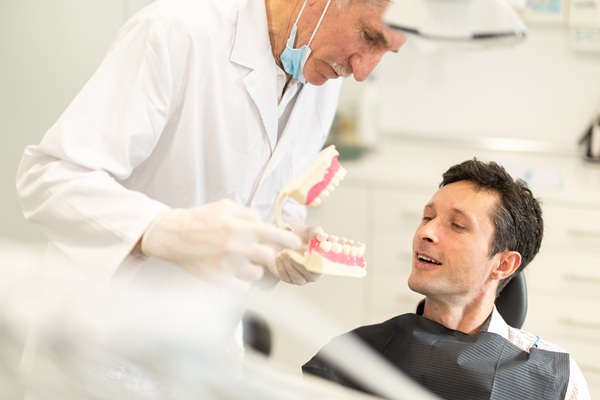
For optimal oral health, it is a general rule of thumb to receive professional teeth cleaning every six months. Some patients need even more frequent cleanings to maintain a healthy smile. Knowing the reasons why this would be necessary can help you make informed oral health decisions.
The point of professional teeth cleaning
Professional teeth cleaning is a foundational element of preventive dental care from a general or family dentist. While daily brushing and flossing help control plaque and bacteria at home, teeth cleanings go further by removing hardened tartar and addressing areas that may be difficult to clean thoroughly. Dental hygienists use specialized tools to clear plaque buildup, polish the enamel, and assess the health of the gums and surrounding tissues.
For many, bi-annual teeth cleanings are more than enough to maintain oral health. However, certain patients may benefit from more frequent cleanings based on their general health, lifestyle, or risk for oral disease.
Reasons why you may need frequent teeth cleanings
Here are some common reasons why a patient would need to visit a general or family dentist more than twice a year:
Gum disease
Whether in the early stage of gingivitis or more advanced periodontitis, patients with gum disease may benefit from undergoing teeth cleanings more than twice a year. This is because plaque and bacteria accumulate more rapidly, which increases the risk of inflammation, gum recession, and tooth loss. Frequent teeth cleanings, such as every three to four months, help reduce the bacterial load in the mouth and manage gum disease before it worsens.
Diabetes
People with diabetes are more susceptible to gum disease and infections, as high blood sugar levels can impair immune function and slow the body’s healing response. In turn, gum inflammation may make it more difficult to manage blood sugar, creating a cycle that affects both oral and systemic health. More frequent teeth cleanings can help break this cycle by minimizing gum inflammation and preventing infection.
Immunocompromised
Patients with compromised immune systems — due to medical treatments, conditions such as HIV, or organ transplantation — face a higher risk of oral infections and delayed healing. Even minor gum irritation or plaque buildup can lead to complications if not addressed promptly. General and family dentists may recommend more frequent cleanings to reduce the bacterial load and monitor for early signs of infection. This level of preventive care helps protect against oral-systemic complications and supports the immune system.
Lifestyle choices
Certain lifestyle habits can increase the risk of plaque buildup, staining, and gum problems, making more frequent cleanings a smart preventive strategy. Smoking, for example, contributes to dry mouth, increases tartar formation, and reduces blood flow to the gums, which can mask signs of inflammation. Those who smoke often benefit from additional teeth cleanings to manage these side effects and maintain healthy tissues.
Undergoing orthodontic care
Patients receiving orthodontic treatment, like traditional braces, face unique challenges when it comes to maintaining oral hygiene. Brackets, wires, and bands can trap food particles and make it more difficult to thoroughly clean the teeth and gums, increasing the risk of decay and inflammation. More frequent professional cleanings can help manage these risks and ensure that the teeth and gums remain healthy throughout the treatment.
Schedule a teeth cleaning appointment
Are you due for a teeth cleaning? Schedule your next appointment with our team at DeSalvo Dental. We can both clean your teeth and discuss how frequently you may need a teeth cleaning based on your current oral health and risk factors.
Request an appointment here: https://www.desalvodental.com or call DeSalvo Dental at (201) 244-7658 for an appointment in our Englewood office.
Check out what others are saying about our dental services on Yelp: Professional Teeth Cleaning in Englewood, NJ.
Recent Posts
Looking into the different teeth whitening options and wondering if you should choose the professional route? Even though it is easier than ever to whiten one’s teeth with over-the-counter options, generic whitening options tend not to be a good idea for many people. Ready to find out more about the professional teeth whitening route?Learning the…
Teeth whitening works by applying a peroxide gel that lifts stains from enamel, the tooth’s outer layer. Custom trays hold the gel evenly against the teeth, promoting consistent shade change while limiting gel on the gums. As a general dentist, the focus stays on fit, concentration, and timing to help patients whiten gradually and comfortably.…
The ideal shade of white targeted during teeth whitening treatments is a few shades lighter than the white of the patient’s eyes. Whitening treatments can make teeth whiter than that, but the results typically would not look natural compared to the rest of the patient’s physical features. Teeth whitening treatments aim to get the patient…
It is helpful to have an in-depth understanding of teeth whitening before starting treatment. In general, teeth whitening performed in-office is a safe procedure with few risks, and knowing more about the process and what to expect can help you mentally and physically prepare for the procedure. There are certain questions that general dentists receive regularly.…