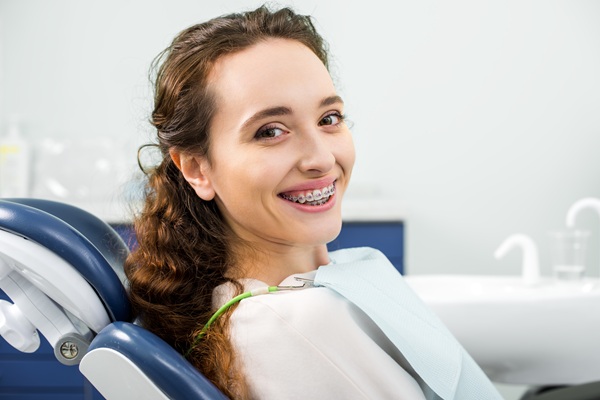
Orthodontic treatment refers to a number of procedures and treatments; however, when it comes to more effective oral hygiene, most dentists say that it can improve with the help of teeth straightening treatment. When the teeth are straighter, it is a lot easier to brush and floss like normal, and in an effective manner. Because of this fact, general dentists encourage orthodontic treatment involving teeth straightening as often as possible. Continue reading to find out more.
More effective oral hygiene after orthodontic treatment
The following review highlights how orthodontic treatment from a general dentist can make daily oral hygiene a lot easier and more effective. Review this information when looking for additional reasons to undergo treatment.
Why oral hygiene needs to be effective
Oral hygiene needs to be performed effectively every day in order for the teeth and gums to remain in good health. When the teeth are not properly brushed or floss does not effectively reach between the teeth, the result can be detrimental. Of course, poor oral hygiene is not always due to discipline. Instead, crooked or crowded teeth can also make it extremely difficult or impossible to perform due to hard-to-reach areas.
Left behind food can get stuck in these hard-to-reach areas, which can lead to the formation of plaque. If plaque is not removed due to an inability to properly clean the teeth, the plaque can turn into tartar.
The long-term effects of tartar include tooth decay and gum disease, both of which can lead to the requirement of intense restorative work. In order to avoid this, the best thing to do is undergo an orthodontic consult with a general dentist.
Orthodontic treatment
Orthodontic treatment may include any number of things, depending on the general dentist's recommendation. After a thorough evaluation, treatment can be administered, which may take anywhere from six months to two years. Treatment will help improve any crookedness or crowding by straightening the teeth out, making for an even arch. Of course, one's smile will be more appealing to look at, but oral hygiene will also be easier to achieve and maintain. In turn, oral health should also significantly improve!
After orthodontic treatment
Once orthodontic treatment is complete, it is up to the patient to practice good oral hygiene. Freshly straightened teeth are still at risk of developing negative conditions, such as plaque build-up or tooth decay. Of course, the teeth being straightened reduces a lot of the risk; however, it is still up to the patient to brush and floss every day to keep the mouth in good shape.
Get started with orthodontic treatment
Orthodontic treatment can be started by simply consulting with a general dentist. The dentist can evaluate the teeth and jaw to determine the best course of treatment. From there, any questions or concerns about the specified treatment can be appropriately addressed. To find out more or to get scheduled for an appointment, reach out today.
Request an appointment here: https://www.desalvodental.com or call DeSalvo Dental at (201) 244-7658 for an appointment in our Englewood office.
Check out what others are saying about our dental services on Yelp: Orthodontics in Englewood, NJ.
Recent Posts
Many patients brush their teeth twice a day yet still deal with plaque buildup, gum irritation, or lingering bad breath. A general dentist often finds that the issue is not a lack of effort but rather a toothbrush that no longer cleans effectively. Bristles wear down gradually, so it can be difficult to notice when…
If you are wondering what type of dentures are right for you, now may be a good time to consider acrylic dentures. Acrylic dentures are made from 100 percent acrylic and unlike other types of dentures, they do not have any metal substructures to offer support. The dentures are ideal for permanent and temporary denture…
For optimal oral health, it is a general rule of thumb to receive professional teeth cleaning every six months. Some patients need even more frequent cleanings to maintain a healthy smile. Knowing the reasons why this would be necessary can help you make informed oral health decisions.Professional teeth cleaning is a foundational element of preventive…
A strong relationship with a family dentist gives households a trusted partner in oral health. With regular visits, clear guidance, and practical tips, families learn how to protect their smiles through each stage of life. For instance, daily brushing and flossing, thoughtful food choices, and consistent professional care work together to reduce the risk of…