How Do Dental Bridges Work?
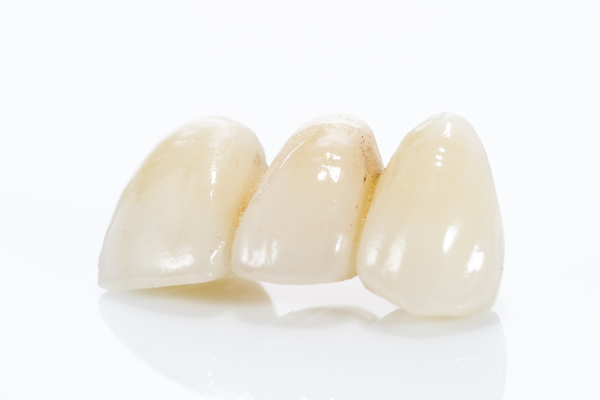
Dental bridges are used to fill up gaps in a person's smile. It is a great solution for those who have lost multiple teeth but are not ready for either implants or dentures. Bridges have two main parts: a set of crowns placed on the two real teeth closest to both sides of the gap and a set of artificial teeth called pontics. The crowns used as anchors are called abutments.
What to expect when getting dental bridges
One of the reasons some people opt for a dental bridge instead of implants is the fact it does not require any surgical procedures. Getting them installed is a straightforward, simple process, and dentists can provide sedatives for patients who have dental phobias to make their visit a more pleasant experience.
The dentist starts by taking an impression of the patient's mouth and sending it over to a lab where the bridge and the crowns that will be used as abutments are made. The dentist will give the patient a shot of anesthetic and prepare the two teeth that will be crowned by removing any portion of enamel that will prevent the crowns from fitting properly.
The patient is typically fitted with a temporary crown and sent on their way. When the crowns and bridge are ready, the patient is called in for a second appointment. The temporary crowns will be removed during the second appointment and the customized crowns and bridge installed.
That is how simple getting a dental bridge is.
Recovery after getting a dental bridge installed
The procedure does not involve much pain since the patient is given a shot of anesthetic before their teeth are prepared for the crowns. The patient might experience soreness when the anesthetic wears off, but that should subside within a few days. Over-the-counter painkillers and ice packs are typically enough to deal with any discomfort experienced after getting dental bridges. Patients should contact their dentist if they experience serious pain after getting one installed.
Besides mild discomfort experienced by some, patients are free to eat a wide variety of foods. However, it is best to stick to soft foods for the first 24 hours while the dental cement sets.
Benefits
There are many benefits that come with bridges. These include:
- The wearer's smile is restored
- The function of the lost teeth is restored
- It prevents the remaining natural teeth from moving out of their proper positions
- It looks completely natural
- It prevents the person's facial features from changing due to missing teeth
Restore your smile and much more
Failing to replace missing teeth does more than just ruin the appearance of your smile. It can also lead to serious alignment issues and changes to your face. It limits you from eating the things you enjoy, and it can affect your ability to speak properly.
Why deal with all that when you can easily replace your missing teeth with a dental bridge? Talk to a dentist about teeth replacement options today.
Let's get started …
Request an appointment here: http://www.desalvodental.com or call DeSalvo Dental at (201) 244-7658 for an appointment in our Englewood office.
Check out what others are saying about our dental services on Yelp: Dental Bridges.
Recent Posts
When you have severe pain or unexpected dental trauma, getting emergency dentistry should be your first priority. If you experience sudden tooth pain, a general dentist is usually the go-to provider. Many people worry that their regular dental office cannot handle urgent issues. However, general dentists have the tools and training to treat serious oral…
Experiencing a chipped tooth often causes sudden stress, but a quick treatment like dental bonding is a seamless way to repair the enamel instantly. This simple process rebuilds the lost structure without requiring extensive drilling or alteration. To learn if this option is right for your compromised tooth, schedule a consultation at our Englewood office.Even…
Pediatric dentistry helps children build healthy dental habits while receiving care tailored to the developing teeth, gums, and jaws. Parents often have questions about when to start visits, what happens during exams, and how dental teams support children at different ages. A pediatric dentist focuses on prevention, education, and early care for common childhood dental…
A dental implant is a dependable way to replace a missing tooth. While some implants may loosen or fail under certain conditions, most implants work well for many years when the gums and bone remain healthy. The key is to recognize the warning signs of trouble early and to support this smile restoration with excellent…