Understanding the Dental Bridge Procedure
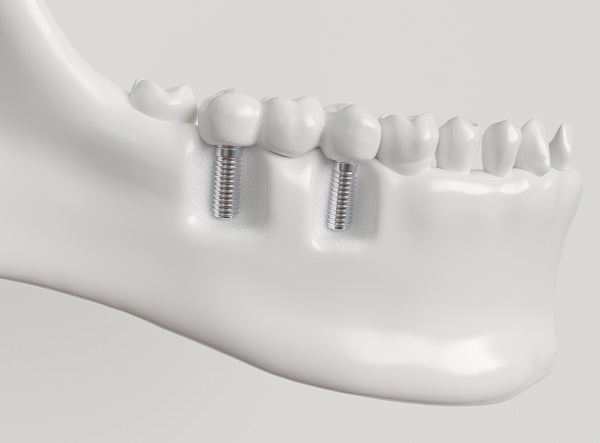
The dental bridge procedure is a tooth replacement option. The bridge covers the gap between the teeth using the healthy teeth present on either side, consequently restoring the function and appearance of the teeth. This article outlines what happens during a dental bridge installation.
What is the dental bridge placement procedure like?
The first step in the dental bridge procedure is to determine the need for tooth replacement treatment and whether a dental bridge is the best choice. The dentist will examine the area and may take x-rays of the jaw to make the best choice. The dental professional will discuss the possible options with their patients, the type and design of the dental bridge, as well as the advantages and drawbacks of each option.
Tooth preparation and temporary bridge placement
Most bridges are anchored to the healthy teeth on the sides of the gap, which are called the abutment teeth. To prepare the teeth for the attachment of a dental bridge, it is necessary to shape them. The dentist will administer a local anesthetic to keep the patient comfortable throughout the process.
The first step is to file the abutment teeth into the correct shape for the crowns that come with the bridge. The dentist will take impressions of the shaped teeth and send them to a dental laboratory to fabricate the bridge. The prosthetic will be matched to the color of the existing natural teeth to make it aesthetically appealing.
There is an option of using a dental implant to anchor the bridge, especially if the teeth on the sides of the gap do not have enough strength to support the bridge independently. The dentist may provide a temporary bridge, which is often made of composite and protects the prepared teeth from damage while the permanent bridge is being made. It will eventually be removed when the final bridge is ready.
Placing the permanent bridge
The patient will return to the dental office as soon as the permanent bridge is complete and ready for placement. Once again, the dentist will apply a local anesthetic when starting the appointment to keep the patient comfortable.
Before placing the bridge, the temporary one will be removed, and if necessary, the dentist will clean the teeth underneath. Dental cement will then be applied to fix the bridge structure over the abutment teeth. The result will be obvious immediately.
The patient will experience full dental function once the process is complete. The bridge may feel strange in the mouth at first, but this feeling will disappear eventually. The dentist may need to make final minor adjustments to the dental bridge if required.
Ready for a dental bridge?
Aftercare and follow-up appointments are vital in the dental bridge procedure to ensure that patients have a full grasp of what to expect and how to maintain their new dental restoration. The dentist will take the time to explain the workings of the dental bridge, including oral care routine and when to seek dental help. With proper care, a dental bridge can last up to 10 years or more.
Request an appointment here: https://www.desalvodental.com or call DeSalvo Dental at (201) 244-7658 for an appointment in our Englewood office.
Check out what others are saying about our dental services on Yelp: Dental Bridge in Englewood, NJ.
Recent Posts
Dental bridges are an effective and popular way to restore missing teeth, offering cosmetic and functional benefits. When you properly care for and maintain your bridge, it can significantly improve oral health and restore the confidence you have in your smile. However, several factors can influence the longevity of dental bridges.Dental bridges are prosthetic devices…
A dental bridge can help restore your dental health and appearance. Tooth loss can cause more dental problems. Replacing the missing teeth can restore your smile and improve your dental health. Getting this dental restoration might be the tooth loss solution you need. Here are the three basic dental bridge benefits you must consider.Losing at…
There are several instances in which a dental bridge is the most appropriate solution for teeth replacement. A dental bridge can be used to replace a single missing tooth or a section of missing teeth, and it provides certain benefits that traditional dentures and dental implants do not. This review highlights what a dental bridge is…
A dental bridge is an oral prosthetic that closes the space left by multiple missing teeth. It has two main components: artificial teeth called pontics and crowns (abutments) placed on the two teeth closest to the space on both sides. The artificial teeth can be made from various materials like gold, silver, and other metals,…